Essay
The Deer Hunter
Michael Cimino · United States · United Kingdom, 1978
- #040404
- #fafaf8
- #2f302e
- #d1d2cd
- #939590
Before being a war film showing the horrors of the Vietnam War, The Deer Hunter is above all a film about community, and about the way it fractures in the face of war and the traumas it leaves behind. The film opens with a long sequence showing the daily life of this community in a small, grey rural town in the United States, where the black smoke of American industry contrasts with the surrounding mountains and snow-capped peaks.

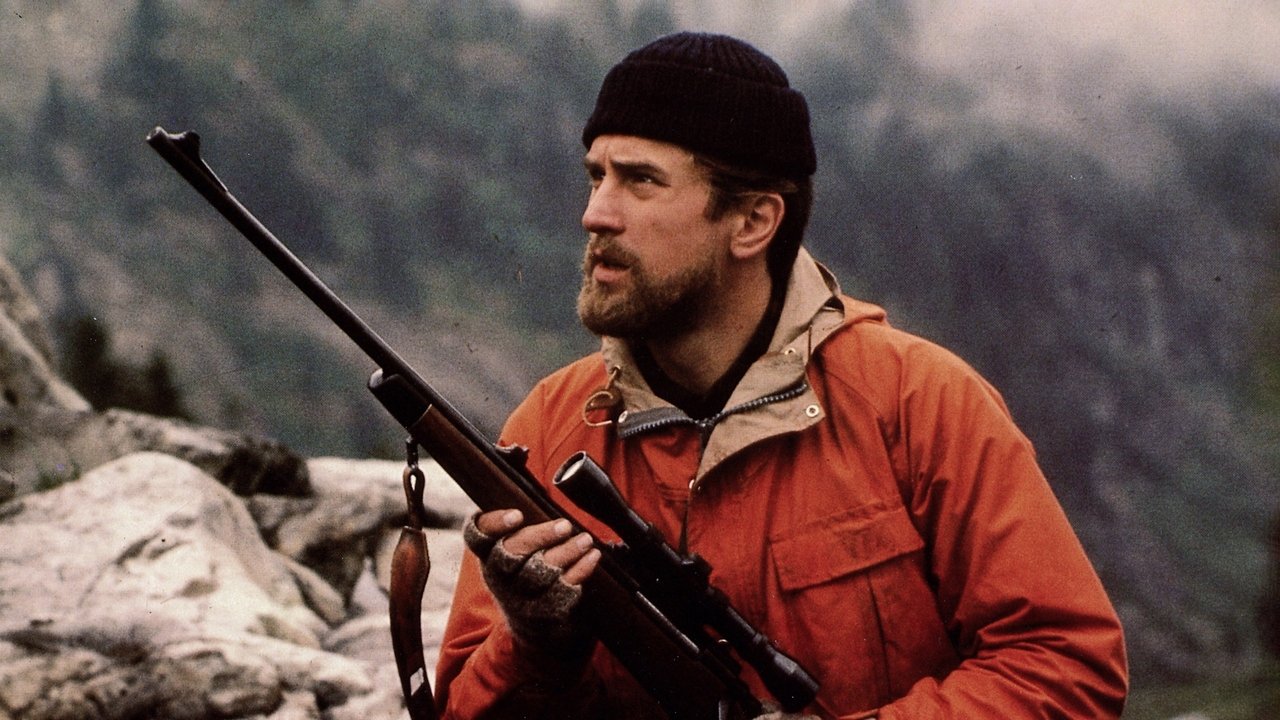
The first act then confronts us with this group of working-class friends celebrating a wedding which, despite the apparent joy, already lets us sense the tragic fate of these characters through omens such as the drops of wine falling on the bride’s dress. The particular attention Michael Cimino pays to looks and glances throughout the sequence is enough to make us understand everything at stake in the film, between the apprehension of war and the romantic tensions that will run through the whole story. The composition of the shots reinforces the cohesion of this brotherhood, but also the isolation of Michael, played by De Niro, who appears alone in the frame on several occasions. We cannot help but be swept along by a succession of memorable scenes, from the frenzy of the wedding to the intimacy of the deer hunt, to which the characters, like the director, devote an almost religious reverence.
For me, the film’s genius lies in the abrupt transition to the Vietnam War, in a single cut. No big farewell scenes, no narrative build-up leading little by little to the war: here, Cimino throws us straight into the heart of combat, under American bombing. Instead of staging grand, epic battle scenes, the director chooses an enclosed setting, which is enough to show us the violence of war and gives great importance to what happens off-screen, since even what we do not see in the film is present in the minds of the audience. The game of Russian roulette then becomes the symbol of this war, reducing the soldiers’ survival to a mere stroke of fate. The director therefore refuses to show any heroism on the part of the American army, which is absent and dehumanised into a few helicopters.
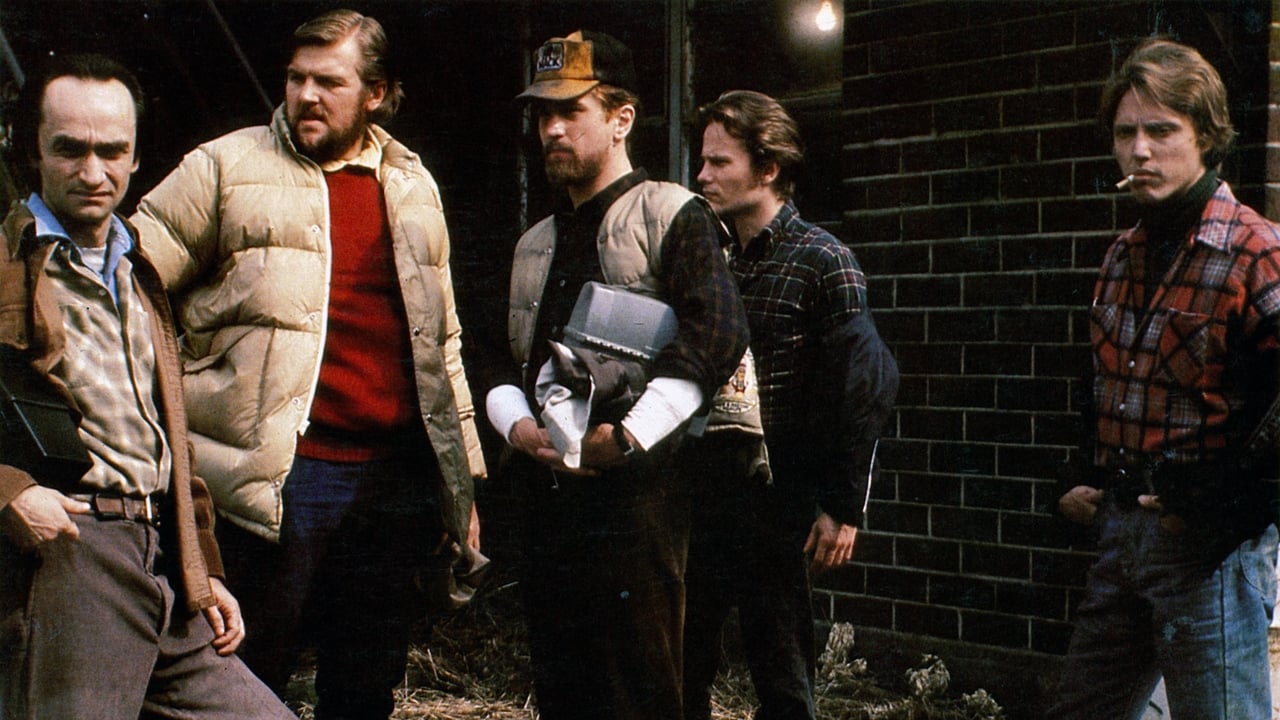
The last act of the film tries to bring this fractured community back together. How can one live as before once innocence has been lost? Michael seems distant from everyone around him. His return is physical, but his mind remains scarred and traumatised. This takes shape in the final hunting scene, where Michael refuses to kill the deer, realising that the reverence he had for hunting this animal no longer makes sense now that he has lived through the war and seen the dead. The director conveys a feeling of melancholy and desolation, which gives rise to the most moving sequences of the film, as Michael makes a desperate attempt to rebuild his community. That said, the film ends brilliantly, showing that it is possible, despite the traumas, to found their community anew around a shared idea or song: “God Bless America”. This gives an optimistic turn when we see this destroyed community rebuilding itself, but also an ironic and bitter one when we have observed throughout the film that America is the cause of their suffering.
Filming locations
Thaïlande · Pittsburgh · Bangkok